
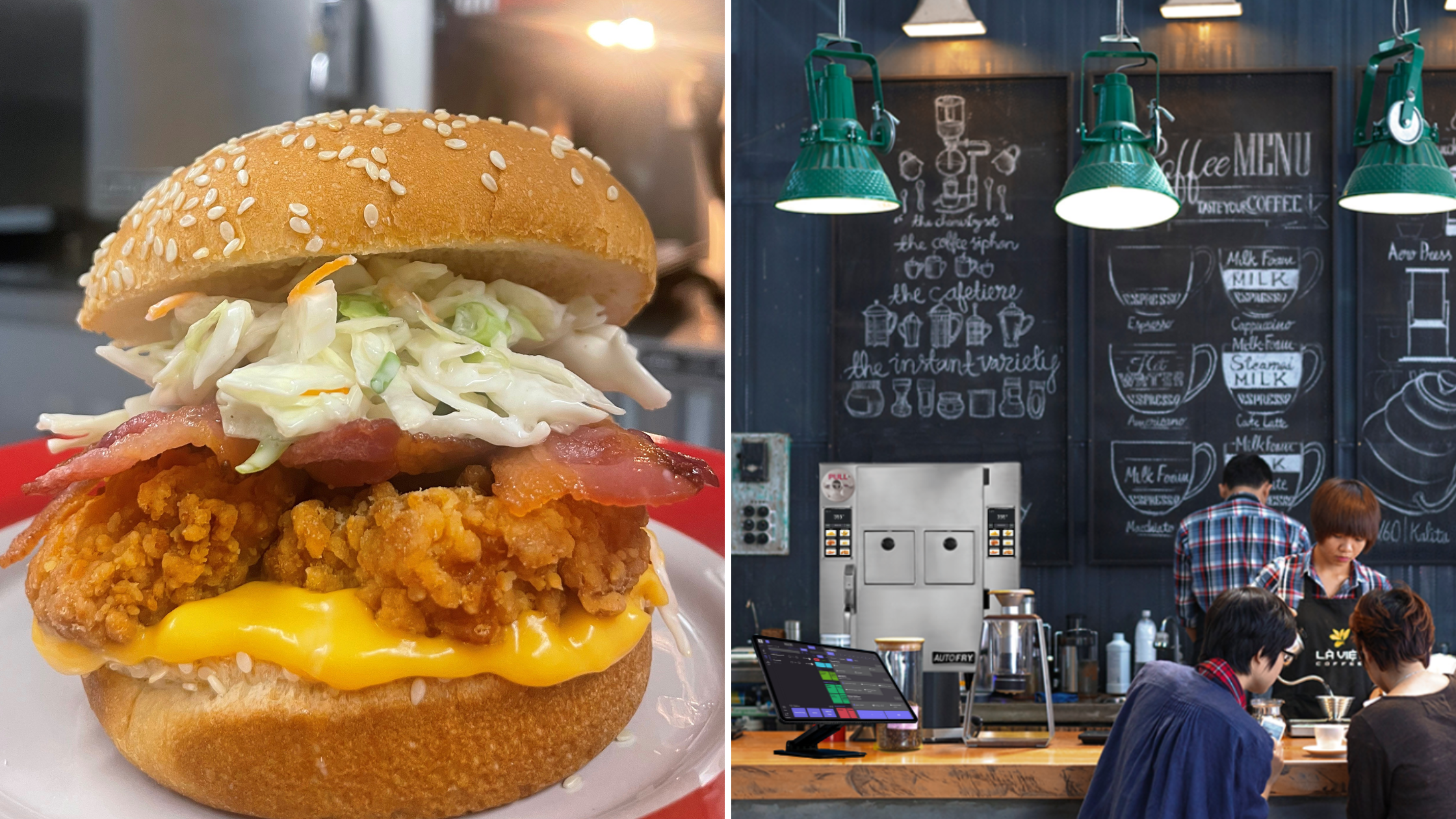

Fried foods remain some of the most profitable items on any menu. Fries, wings, mozzarella sticks, and chicken tenders are customer favorites that drive repeat business and boost check averages. But before operators can take advantage of that demand, they must decide how to build the kitchen infrastructure to support it.
When comparing a traditional hood system to a ventless solution like AutoFry®, the cost difference goes far beyond the equipment itself.
The Real Cost of a Traditional Hood System
Installing a hooded kitchen is a major investment that often comes with unexpected expenses. In addition to the fryer, operators must account for the ventilation system and the construction required to support it.
Typical costs associated with a traditional hood system include:
- Type 1 hood, ductwork, and roof penetration
- Make-up air unit and HVAC adjustments
- Fire suppression system
- Electrical and gas upgrades
- Permits, inspections, and engineering fees
When everything is added together, the total investment commonly reaches $25,000 to $60,000 or more, depending on the building and local code requirements.
Beyond the upfront cost, hood systems bring ongoing expenses. Regular duct cleaning, fire system inspections, increased energy usage, and potential downtime for maintenance all add to the long-term cost of ownership. Installation timelines can also stretch for weeks or months, delaying menu expansion and revenue.
Why AutoFry Is a Cost-Saving Alternative
AutoFry eliminates the need for a traditional hood system entirely. As a fully enclosed, automated, ventless fryer, it allows operators to add fried foods without costly construction or permanent modifications to their space.
With AutoFry, operators avoid:
- Hood and duct installation
- Roof penetration and structural changes
- Fire suppression system requirements
- Lengthy permitting and construction timelines
AutoFry installation is fast and straightforward. This means operators can start selling fried foods quickly and begin seeing returns much sooner.
Operational Benefits That Add Value
AutoFry doesn’t just reduce infrastructure costs, it simplifies daily operations as well. Its push-button automation helps ensure consistent food quality while reducing labor demands and training time. The enclosed design also improves kitchen safety by minimizing exposure to hot oil and open fryer baskets.
These benefits make AutoFry especially well-suited for:
- Pizza shops looking to expand menus
- Convenience stores and foodservice kiosks
- Ice rinks, stadiums, and arenas
- Bars, breweries, and entertainment venues
- Recreation facilities and sports simulator complexes
Comparing the Two Approaches
A traditional hood system requires a large upfront investment, long installation timelines, and ongoing maintenance commitments. AutoFry offers a lower initial cost, faster setup, and greater flexibility, especially in non-traditional or space-limited environments.
Most importantly, AutoFry allows operators to add high-margin fried foods without the financial risk and disruption that comes with building a full hooded kitchen.
A More Flexible Way Forward
When evaluating the real cost of adding fried foods to a menu, infrastructure is often the deciding factor. While traditional hood systems may work for some operations, many businesses find that AutoFry provides a more practical, cost-effective path to menu expansion.
With lower upfront costs, faster installation, and simplified operations, AutoFry helps operators focus less on construction, and more on serving great food and driving profits.
